
Introduction
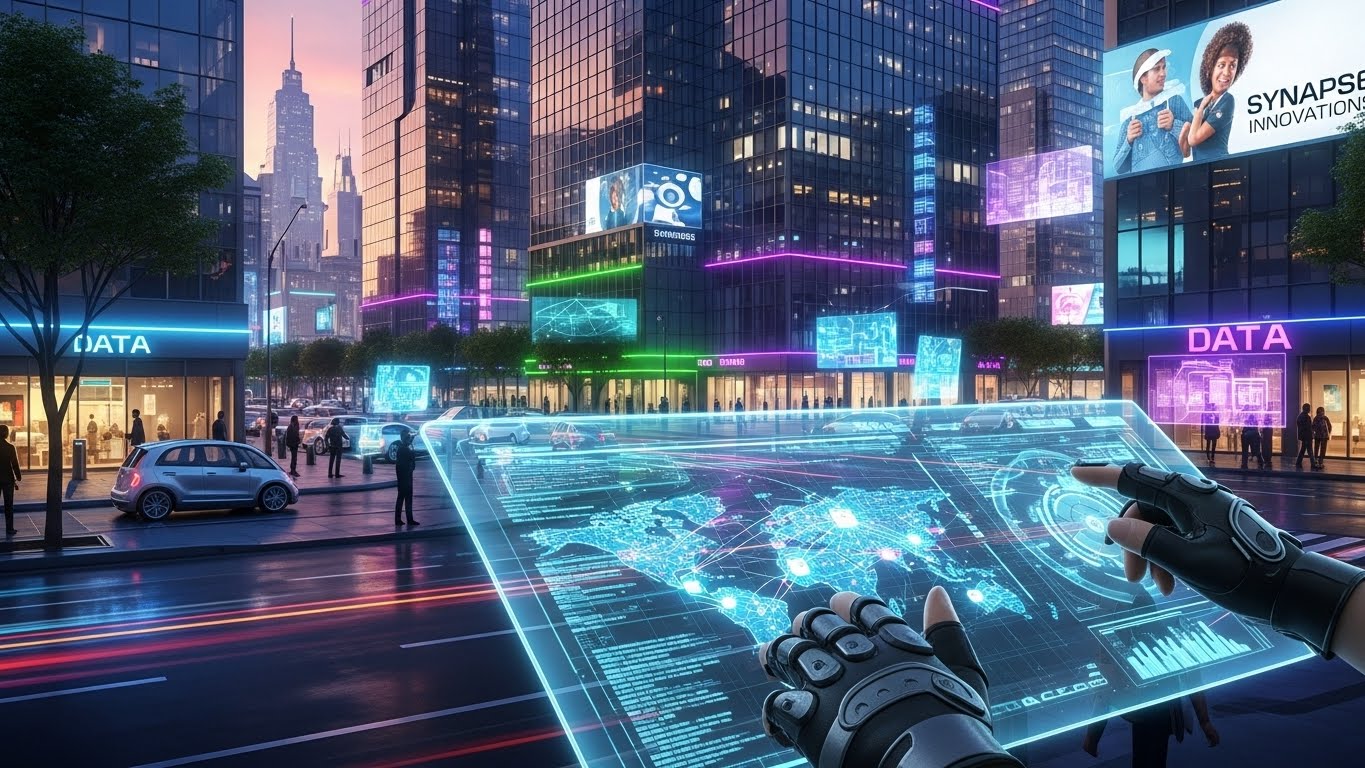
Technology is no longer a distant concept confined to science fiction or research labs. It has become an inseparable part of daily life, influencing the way we communicate, work, learn, and even think. From smartphones in our pockets to artificial intelligence powering global industries, technology shapes almost every aspect of modern society. Its impact is profound, transforming economies, lifestyles, and cultures in ways that were unimaginable a few decades ago. This blog explores the evolving world of technology, its benefits, challenges, and the way it is redefining human experiences in the twenty-first century.
The Rapid Evolution of Technology
The pace at which technology evolves is staggering. What was considered cutting-edge ten years ago is now outdated. Innovations in computing, telecommunications, robotics, and biotechnology continuously push the boundaries of what humans can achieve. The rise of powerful processors, cloud computing, and advanced algorithms has allowed for complex tasks to be performed in seconds that once took hours or even days.
The speed of technological progress has also made it more accessible. Smartphones, wearable devices, and internet services allow individuals to connect, work, and learn in ways that were unimaginable a generation ago. Technology is no longer confined to laboratories or corporations; it is part of everyday life, accessible to anyone willing to engage with it.
Artificial Intelligence and Machine Learning
One of the most transformative technological advancements is artificial intelligence (AI). AI enables machines to perform tasks that traditionally required human intelligence, such as problem-solving, pattern recognition, and decision-making. Machine learning, a subset of AI, allows computers to learn from data and improve their performance over time.
AI is now applied in countless areas, from healthcare to finance. In medicine, AI helps doctors diagnose diseases faster and more accurately. In business, it predicts consumer behavior and optimizes operations. AI is also central to autonomous vehicles, virtual assistants, and smart home devices, making everyday life more convenient and efficient. However, the rise of AI also raises ethical questions, such as privacy concerns, job displacement, and the need for responsible use.
The Internet of Things: A Connected World
The Internet of Things, or IoT, is another technological trend reshaping the world. IoT connects everyday devices to the internet, enabling them to communicate and share data. From smart refrigerators that track food inventory to wearable fitness devices that monitor health metrics, IoT creates a highly connected ecosystem.
This connectivity improves efficiency and convenience. Businesses can monitor production lines remotely, households can manage energy usage, and cities can optimize traffic flow through smart infrastructure. IoT is not just about convenience; it is about creating systems that respond intelligently to human needs. However, it also introduces concerns about cybersecurity and the protection of personal data, making secure implementation crucial.
The Revolution of Communication
Technology has fundamentally transformed how humans communicate. Social media platforms, messaging apps, and video conferencing tools have made it possible to connect with anyone around the globe instantly. These innovations have broken geographical barriers, enabling global collaboration and cultural exchange on an unprecedented scale.
While technology enhances connectivity, it also introduces challenges. The constant flow of information can lead to information overload, and social media may contribute to stress and anxiety. Despite these challenges, technology continues to redefine communication, fostering new ways for individuals and communities to share ideas and experiences.
Cloud Computing and Big Data
Cloud computing and big data are driving a new era of efficiency and innovation. Cloud computing allows organizations and individuals to store and access information remotely, eliminating the need for physical infrastructure. This has revolutionized business operations, education, and entertainment by providing scalable and cost-effective solutions.
Big data, on the other hand, refers to the vast amounts of information generated by individuals and organizations daily. Analyzing this data allows companies to understand patterns, predict trends, and make informed decisions. From healthcare to retail, big data analytics enables more precise strategies and personalized services, making processes more efficient and effective.
Technology in Education
Technology has revolutionized education by making learning more accessible and interactive. Online courses, educational apps, and digital classrooms allow students to learn at their own pace, regardless of location. Virtual and augmented reality technologies provide immersive experiences that make complex subjects easier to understand.
Moreover, technology enables personalized learning. Artificial intelligence can assess a student’s strengths and weaknesses, offering tailored resources to enhance understanding. This approach not only improves academic outcomes but also fosters a love for lifelong learning. Technology has the potential to democratize education, bridging gaps between communities and offering equal opportunities for all learners.
Healthcare Transformation Through Technology
The healthcare sector has experienced remarkable transformation thanks to technology. Advanced diagnostic tools, robotic surgery, telemedicine, and wearable health monitors are changing how patients receive care. Medical records are increasingly digitized, making it easier for doctors to access patient histories and coordinate treatments.
Telemedicine, in particular, has expanded access to healthcare in remote areas. Patients can consult doctors through video calls, reducing travel costs and waiting times. Wearable devices track vital signs, helping individuals manage chronic conditions proactively. The integration of AI into healthcare improves diagnosis accuracy and treatment planning, ultimately saving lives and enhancing the quality of care.
Sustainable Technology and Environmental Impact
Technology is also playing a crucial role in addressing environmental challenges. Renewable energy technologies such as solar panels, wind turbines, and energy storage solutions are reducing reliance on fossil fuels. Smart grids and energy-efficient devices optimize electricity use, contributing to sustainability.
Additionally, technology aids in monitoring and mitigating environmental issues. Satellites, sensors, and AI-powered models track climate patterns, pollution levels, and wildlife populations. These tools enable governments and organizations to make informed decisions and implement effective environmental policies. Technology, therefore, not only enhances human life but also helps protect the planet for future generations.
The Rise of Automation and Robotics
Automation and robotics are transforming industries by increasing productivity and reducing human labor in repetitive tasks. Manufacturing, agriculture, logistics, and even service sectors now rely on robots to perform tasks efficiently and with high precision.
While automation boosts efficiency, it also raises concerns about job displacement. Many traditional roles may become obsolete, requiring individuals to acquire new skills for the changing job market. Reskilling and adapting to technological advancements are critical to ensuring a smooth transition and maximizing the benefits of automation.
Cybersecurity in the Digital Age
As technology advances, cybersecurity becomes increasingly important. Cyber threats, including hacking, data breaches, and identity theft, pose serious risks to individuals and organizations alike. Protecting sensitive information is essential for maintaining trust and stability in a digital society.
Organizations invest heavily in security measures, including encryption, firewalls, and AI-driven threat detection. Individuals also need to adopt safe practices, such as strong passwords and secure networks. Cybersecurity is no longer optional; it is a fundamental aspect of responsible technology use.
The Ethical Dimension of Technology
With rapid technological advancement comes the responsibility to use it ethically. Issues such as privacy, AI decision-making, and the social impact of automation require careful consideration. Society must balance innovation with ethical frameworks to ensure technology benefits humanity without causing harm.
Policymakers, tech companies, and users all share the responsibility of guiding technology in a direction that upholds human values. Transparent practices, inclusive design, and ethical standards are essential for fostering trust and ensuring technology serves the greater good.
The Future of Technology
Looking ahead, technology will continue to redefine human experiences. Innovations in quantum computing, biotechnology, space exploration, and renewable energy promise unprecedented breakthroughs. The line between physical and digital realities will blur, with virtual environments, augmented reality, and AI-driven interfaces becoming more integrated into daily life.
Future technologies will focus on inclusivity, sustainability, and human-centric design. They will aim to solve global challenges such as climate change, healthcare accessibility, and equitable education. While the future is full of possibilities, it is also a reminder that thoughtful, responsible innovation is essential for shaping a better world.
Conclusion
Technology is no longer a tool; it is a transformative force that shapes every facet of human life. It enhances communication, revolutionizes healthcare, drives economic growth, and promotes sustainability. At the same time, it poses challenges, including ethical dilemmas, cybersecurity risks, and social implications.
The key to navigating the technological future lies in balance. By embracing innovation responsibly and ethically, humanity can harness the immense power of technology to create a more connected, efficient, and equitable world. Technology is not just about devices, algorithms, or machines—it is about shaping a future where human potential and creativity thrive in harmony with the tools we create.