
Introduction
Technology has always been at the heart of human advancement. From the creation of the wheel to the rise of artificial intelligence, it has continuously transformed societies, economies, and the way we live. In the modern era, technology has evolved at an unprecedented pace, influencing nearly every aspect of daily life. The rapid development of digital tools, automation, artificial intelligence, and communication platforms is reshaping industries and redefining human potential.
This blog explores the transformative impact of technology, highlighting major innovations, their applications, and the future trends that promise to change the world. By understanding these advancements, we can appreciate not only how technology simplifies life but also how it drives economic growth, social evolution, and global connectivity.
The Evolution of Human Technology
The history of technology is a story of continuous innovation. Early humans developed tools and techniques to improve their survival, from simple stone implements to agriculture and the domestication of animals. The industrial revolution marked a turning point, with mechanized production, steam engines, and electricity fundamentally changing societies.
The digital revolution, beginning in the late twentieth century, introduced computers, the internet, and mobile devices. These innovations created a connected world, enabling instant communication, remote work, and access to vast amounts of information. Today, technological evolution continues with the rise of artificial intelligence, quantum computing, and the Internet of Things, transforming the boundaries of what is possible.
Artificial Intelligence: The New Brain of Civilization
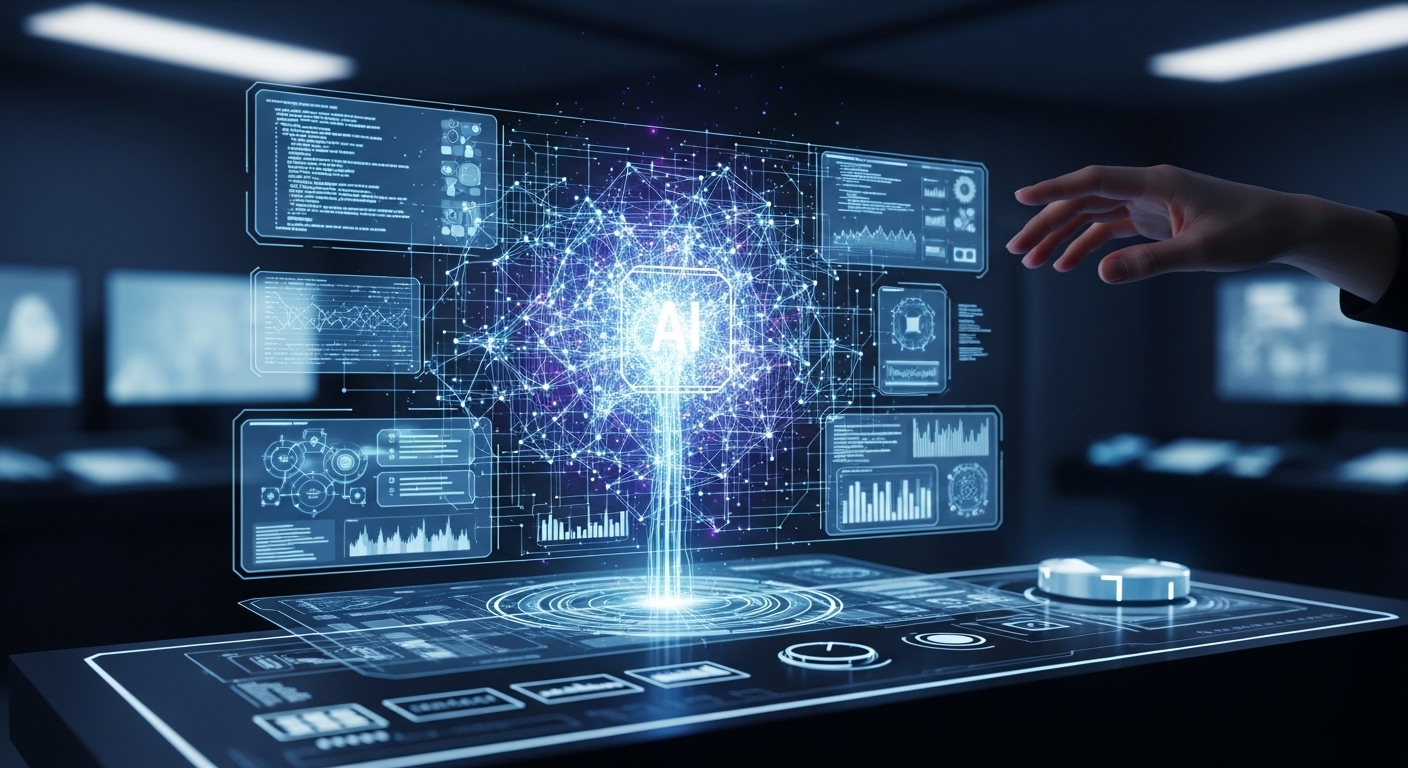
Artificial intelligence has become one of the most significant technological breakthroughs of the 21st century. AI systems simulate human intelligence, capable of learning, reasoning, and problem-solving. Machine learning, a subset of AI, allows systems to analyze data, recognize patterns, and improve performance over time without explicit programming.
Applications of AI are widespread. In healthcare, AI aids in diagnostics, predicts disease progression, and supports personalized treatments. In finance, AI helps detect fraud, automate trading, and assess credit risk. In entertainment, AI powers recommendation engines, enhancing user engagement on streaming platforms and e-commerce sites.
While AI offers tremendous benefits, it also poses ethical and societal challenges. Concerns include privacy, job displacement due to automation, and algorithmic bias. Ethical governance and responsible AI deployment are critical to ensure that technology serves humanity while maintaining fairness and accountability.
The Internet of Things: Connecting the World
The Internet of Things represents a network of interconnected devices that communicate and share data in real time. IoT technology encompasses smart homes, wearable health monitors, industrial sensors, and autonomous vehicles. By linking devices, IoT enables enhanced efficiency, automation, and real-time insights across multiple domains.
In healthcare, IoT devices allow remote monitoring of patients, continuous health tracking, and timely intervention. In industrial environments, sensors monitor machinery, predict failures, and optimize operations. Smart cities leverage IoT to improve traffic flow, energy usage, and public services.
Despite its advantages, IoT presents challenges such as data security, standardization, and interoperability. Protecting sensitive information and ensuring seamless device integration are essential for unlocking the full potential of a connected ecosystem.
Cloud Computing: Powering Modern Innovation
Cloud computing has revolutionized how organizations and individuals store, process, and access data. By providing scalable computing resources, cloud technology eliminates the need for extensive on-premises infrastructure and allows for flexible, cost-effective solutions.
Cloud platforms support diverse applications, including software-as-a-service, data storage, and computational analytics. Businesses can deploy applications globally, scale resources as needed, and respond quickly to market changes. During global crises, cloud technology has enabled remote work, online education, and telemedicine, demonstrating its critical role in maintaining continuity.
The cloud also serves as a backbone for digital transformation. Organizations use cloud infrastructure to deploy AI, manage big data, and provide personalized services, making it an essential tool for modern business operations.
Cybersecurity: Protecting the Digital Frontier
As technology becomes ubiquitous, cybersecurity has emerged as a paramount concern. Cyber threats such as ransomware, phishing, and data breaches pose risks to individuals, businesses, and governments. Maintaining the security of digital systems is vital for trust, stability, and operational continuity.
Modern cybersecurity involves encryption, multi-factor authentication, intrusion detection, and AI-powered threat monitoring. AI can detect unusual patterns, predict potential attacks, and automate responses, enhancing security while reducing human error.
Emerging technologies like IoT and cloud computing increase the complexity of cybersecurity. Protecting interconnected devices and remote systems is critical to prevent data leaks, financial loss, and reputational damage. Organizations must adopt proactive security measures to safeguard their digital ecosystems.
5G Connectivity: Enabling the Next Digital Era
The rollout of 5G networks is transforming communication, offering faster data transfer, lower latency, and increased network capacity. These advancements enable innovations such as autonomous vehicles, smart cities, immersive virtual experiences, and real-time remote collaboration.
5G supports the expanding network of IoT devices, ensuring seamless data exchange and operational efficiency. It also enhances applications in telemedicine, gaming, and industrial automation by reducing lag and improving reliability.
Challenges remain, including infrastructure development, spectrum allocation, and cybersecurity concerns. Nevertheless, 5G is set to accelerate digital transformation and redefine the speed and scale of connectivity in the modern era.
Virtual and Augmented Reality: Immersing in New Realities
Virtual reality creates fully immersive digital environments, while augmented reality overlays digital information onto the physical world. Both technologies are revolutionizing entertainment, education, healthcare, and professional training.
VR simulations provide safe, interactive learning environments for students and professionals. AR assists surgeons with precision during operations, guides maintenance workers in industrial settings, and enhances navigation experiences. The gaming industry continues to push the limits of VR and AR, creating deeply engaging, immersive content.
Hardware costs, content development, and accessibility remain challenges, but technological advancements are making immersive experiences more mainstream, with expanding applications across sectors.
Artificial Intelligence in Healthcare
Healthcare has been profoundly transformed by AI technologies. Algorithms analyze medical images, detect anomalies, and assist clinicians in providing accurate diagnoses. AI-driven predictive analytics enable early detection of diseases, personalized treatment plans, and efficient resource management.
Telemedicine platforms connect patients with doctors remotely, increasing access to care. Wearable devices monitor vital signs, track physical activity, and provide feedback for proactive health management. AI integration in healthcare improves patient outcomes, reduces costs, and enhances service efficiency.
AI in Business and Industry
Artificial intelligence is redefining business processes. Companies leverage AI to optimize operations, improve customer experiences, and make data-driven decisions. Predictive analytics, intelligent automation, and machine learning models enhance productivity and innovation.
Retailers use AI to personalize shopping experiences, manage inventory, and implement dynamic pricing. Financial institutions employ AI for fraud detection, risk management, and algorithmic trading. Manufacturing sectors benefit from AI-powered robotics and process automation, improving efficiency and reducing errors.
AI enables organizations to anticipate market trends, develop tailored products, and maintain competitive advantage in an increasingly digital economy.
Sustainable Technology and Environmental Innovation
Technology also plays a key role in addressing environmental challenges. Renewable energy, smart grids, and energy-efficient systems reduce carbon emissions and optimize resource use.
Electric vehicles, supported by advanced battery technology and AI optimization, are transforming transportation while minimizing fossil fuel dependence. Smart buildings equipped with sensors and automation systems manage energy, water, and waste more efficiently.
Sustainable technology encourages responsible consumption, fosters innovation, and creates economic opportunities. Green innovations address environmental challenges while promoting long-term societal and economic benefits.
Blockchain Technology: Decentralization and Trust
Blockchain technology provides decentralized, secure, and transparent systems. Initially popularized by cryptocurrencies, blockchain has applications in supply chain management, digital identity, and secure transactions.
Blockchain ensures data integrity, reduces fraud risks, and enables smart contracts for automated transactions. Industries such as finance, logistics, healthcare, and public services benefit from increased transparency, security, and efficiency.
The adoption of blockchain supports trust and accountability in digital ecosystems, transforming traditional systems and enabling secure, reliable digital operations.
Emerging Technological Trends
The future of technology is marked by convergence and rapid innovation. Artificial intelligence, quantum computing, biotechnology, and robotics are expected to drive transformative breakthroughs across multiple sectors.
VR and AR will redefine entertainment, education, and professional training. IoT integration, cloud computing, and 5G connectivity will enable real-time data-driven decision-making and seamless communication.
As technology evolves, ethical governance, privacy, and cybersecurity will remain critical. Responsible adoption ensures that innovations enhance human life, support sustainability, and mitigate societal risks.
Conclusion
Technology continues to redefine the modern era, influencing communication, healthcare, business, education, and entertainment. Innovations in AI, IoT, cloud computing, VR, AR, blockchain, and sustainable technology are transforming industries and reshaping human experiences.
Digital transformation, immersive technologies, and interconnected systems offer unprecedented opportunities for growth, efficiency, and global connectivity. Simultaneously, ethical responsibility, privacy protection, and cybersecurity are essential to ensure safe and sustainable technological progress.
The technological revolution is more than innovation—it is a pathway to human progress. By embracing advancements responsibly, humanity can harness technology to enhance creativity, productivity, and societal well-being, shaping a future that is both innovative and sustainable.